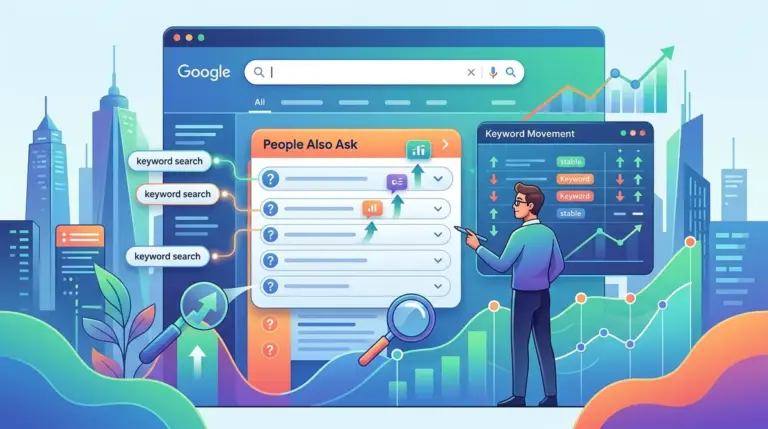


Securing a featured snippet, often referred to as "Position 0," is no longer a vanity metric; it is a defensive necessity. When Google extracts a paragraph, list, or table from your site to answer a query directly on the SERP, you bypass the traditional organic hierarchy. However, these snippets are volatile. Google frequently rotates sources based on real-time engagement data and content freshness. To maintain search share, you must move beyond occasional manual checks and implement a systematic approach to monitoring snippet ownership and volatility.
Identifying Current Snippet Ownership via Google Search Console
Google Search Console (GSC) remains the most accurate source of truth for raw performance data, though it does not explicitly label a result as a "featured snippet." To find these opportunities, you must look for specific data signatures. A featured snippet typically results in a high click-through rate (CTR) relative to a standard position one result, often exceeding 20-30% depending on the query intent.
Best for: Identifying "striking distance" keywords where you already rank in positions 1-5 but haven't yet secured the snippet.
- Filter your Performance report to the last 28 days to ensure the data reflects current SERP layouts.
- Export your query list and cross-reference keywords with an average position between 1.0 and 2.0.
- Look for queries with high impression volume but CTRs that significantly outperform your site average; these are often your existing snippets.
- Identify queries where you rank #2 or #3 with high impressions; these are your primary targets for snippet "theft" through better formatting.
Automating Snippet Tracking at Scale
Manual verification is unsustainable for portfolios exceeding 50 keywords. Professional rank tracking software must include a "SERP Features" filter to distinguish between a standard blue link and a featured snippet. When evaluating a tracking solution, prioritize tools that provide a visual snapshot of the SERP. This allows you to see exactly which competitor is holding the snippet and what format (paragraph, list, or table) Google prefers for that specific intent.
Technical Requirement: Ensure your tracking tool updates at least every 24 hours. Featured snippets can flip multiple times a week during core algorithm updates or when a competitor refreshes their content. Weekly tracking is insufficient for high-value commercial queries where a lost snippet results in an immediate traffic cliff.
Monitoring Mobile vs. Desktop Snippet Variance
Google does not serve the same featured snippet across all devices. Due to screen real estate constraints, mobile snippets often favor shorter, more concise paragraph answers or truncated lists. If you are only checking desktop rankings, you are missing half the picture. Effective snippet monitoring requires segmented tracking to ensure your content is optimized for the specific device your audience uses most.
Analyzing Competitor Snippet Logic
When you lose a snippet or fail to gain one despite ranking #1, the issue is usually structural. Google’s "RankBrain" and "Helpful Content" systems look for specific semantic cues. To check why a competitor is winning, analyze their HTML structure. Are they using a <table> tag for data that you are presenting in a standard paragraph? Are they using clear H3 headers that match the user’s question exactly?
Warning: Avoid "Snippet Bait" that lacks depth. While short, 40-60 word definitions are effective for winning the snippet, if the rest of the page does not provide comprehensive value, Google may eventually demote the entire URL, causing you to lose both the snippet and your top-tier organic ranking.
Tracking Direct Answer vs. Featured Snippet Performance
It is critical to distinguish between a Featured Snippet (which links to your site) and a Knowledge Panel or Direct Answer (which often pulls from public domain data or Google’s own Knowledge Graph). You cannot "rank" for a Direct Answer in the traditional sense. When checking your rankings, ensure your reporting excludes "zero-click" features that do not provide a backlink, as these can inflate your "average position" metrics without contributing to actual site traffic.
Developing a Snippet Maintenance Schedule
Snippet tracking should lead directly to content iteration. Once you have identified which keywords trigger snippets and who currently holds them, implement a monthly audit. If a competitor takes your snippet, compare their "answer box" text to yours. Often, a simple update to your lead paragraph—improving clarity, adding a missing data point, or utilizing a more logical list format—is enough to reclaim the position within one or two crawl cycles.
Action Plan: Assign a "Snippet Health" score to your top 100 high-volume keywords. Track the "Share of Voice" for these snippets specifically. If your ownership drops below a certain threshold (e.g., 70%), trigger a content refresh for those specific URLs to align more closely with the current winning SERP patterns.
Featured Snippet FAQ
Does ranking #1 guarantee I will get the featured snippet?
No. Google often pulls snippets from any result on the first page, though usually from the top five. If your content is better structured to answer the query than the #1 result, you can win the snippet from a lower position.
Why did my featured snippet disappear even though my ranking stayed at #1?
Google may have decided the query no longer requires a snippet, or a competitor’s content was deemed more "helpful" or up-to-date. It can also happen if your page's HTML structure changed, making it harder for Google to parse the answer.
How long does it take to see changes after optimizing for a snippet?
If you use the "Request Indexing" feature in Google Search Console after updating your content, you can often see snippet changes within 48 hours, provided Google’s bots recrawl the page and determine the new content is superior.
Are featured snippets available for all types of keywords?
No. They are most common for informational queries ("how to," "what is," "best way to"). Transactional or short-tail keywords are less likely to trigger a snippet as Google prioritizes shopping results or local maps for those intents.